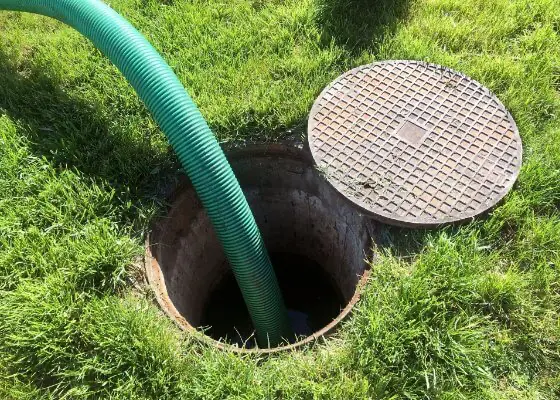


If you live in a rural or semi-rural location around Bristol, Swindon, Cardiff or Bath, there’s a good chance your property relies on a septic tank system to manage wastewater. These underground tanks are an essential and highly effective method of dealing with household waste where mains drainage isn’t available.
However, septic tanks need to be looked after properly, and that starts with understanding what can, and importantly, what can’t go into them. Many homeowners are unaware of the long-term damage that flushing the wrong materials can cause.
Below, we have shared our expert advice on the top ten things you should never flush or wash into a septic tank, and why proper septic tank maintenance is so essential to the health of your system.
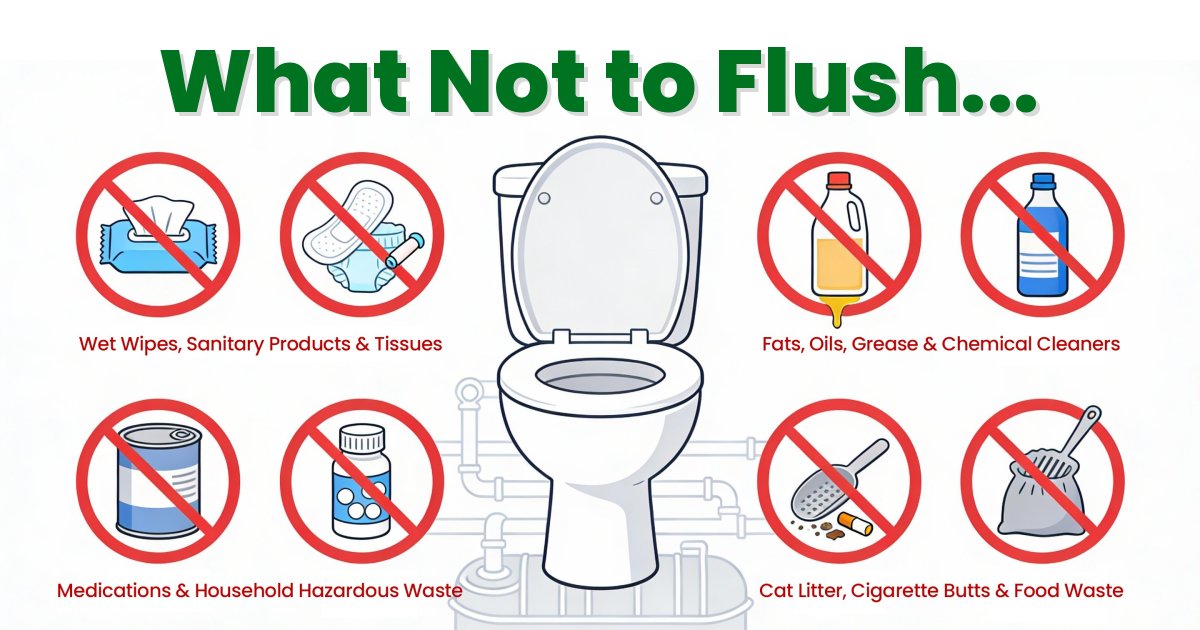
1. Wet Wipes and Sanitary Products
Despite many brands being labelled as "flushable", wet wipes do not break down easily in septic tanks. These items can quickly clog pipes and create blockages within the system, leading to unpleasant backups or even complete failure. Sanitary pads, tampons, and nappies are similarly damaging, they don’t decompose naturally and can rapidly fill the tank or damage the internal mechanisms.
2. Fats, Oils and Grease (FOG)
Pouring cooking fats or oils down the sink might seem harmless, but once inside a septic tank, they cool, solidify and float to the top, forming a thick layer of scum. Over time, this layer builds up and can block the outlet pipe, preventing the system from functioning efficiently. Grease also interferes with the biological processes inside the tank, reducing the efficiency of waste breakdown.
3. Harsh Chemical Cleaners
Bleach, disinfectants, drain cleaners and other strong chemicals can harm the delicate balance of bacteria within your septic tank. These bacteria are crucial for breaking down waste. If they’re killed off by chemicals, your tank becomes less effective and may need more frequent emptying or even costly repairs.
4. Paint, Thinners and Solvents
These substances are not only toxic to the bacteria in the septic system but can also leach into the surrounding soil and groundwater, creating environmental hazards. Even small quantities can be harmful, so it's best to dispose of paints and solvents through local waste disposal schemes instead.
5. Medications and Pharmaceuticals
Flushing expired or unused medications might seem like a convenient way to dispose of them, but it poses a serious risk to the bacterial ecosystem within your tank. Additionally, traces of these substances can end up in the soil and local watercourses, posing a risk to wildlife and potentially contaminating drinking water sources.
6. Coffee Grounds and Food Waste
Food waste, including coffee grounds, doesn’t break down in the same way human waste does. While a few scraps here and there might not do much harm, regular flushing of food or grounds can add to the solid waste inside the tank, filling it up faster and leading to more frequent septic tank emptying.
7. Cigarette Butts
Cigarette filters contain synthetic fibres and chemicals that do not decompose. Flushing them into your septic system contributes to solid waste buildup and introduces harmful toxins that can interfere with the tank’s microbial balance.
8. Paper Towels and Tissues
Unlike toilet paper, which is designed to dissolve quickly, tissues and paper towels are more robust and take significantly longer to break down. This means they can settle at the bottom of the tank or get caught in pipes, contributing to sludge buildup or blockages.
9. Cat Litter
Even "flushable" cat litter should never go into a septic tank. It adds an unnecessary burden of solids, and the clay-based types are especially problematic as they can clump together and form hardened deposits that reduce the tank’s capacity and effectiveness.
10. Household Hazardous Waste
This includes items such as pesticides, antifreeze, brake fluid and motor oil. These substances are not only harmful to your septic system but also highly polluting to the environment. Once introduced, they can severely damage the system and make the surrounding land unsafe.
Avoiding Costly Septic Repairs and Emergency Emptying
Introducing these substances into your septic tank risks more than just a blockage or bad odour. The internal biological processes within a septic system rely on beneficial bacteria to break down waste.
When these bacteria are disrupted or overwhelmed, waste accumulates too quickly, and the tank may need emergency emptying. Worse still, untreated wastewater can escape into your garden or local environment, posing a health hazard and potentially breaching environmental regulations.
How Andersons Waste Management Can Help
At Andersons Waste Management, we provide reliable and professional septic tank emptying and maintenance services throughout Bristol, Swindon, Cardiff, Bath and nearby areas. Whether you need routine septic tank emptying or a one-off emergency call-out, our team is experienced, well-equipped and responsive.
We understand how important a well-functioning system is to your home, which is why we offer tailored septic tank maintenance plans to ensure everything runs smoothly all year round. Our expert technicians can advise you on safe usage, help identify early signs of issues, and carry out thorough cleaning and inspections to keep your system in top condition.
Need Help With Your Septic Tank?
Don’t wait for unpleasant odours or back-ups to become a major issue. Get in touch with Andersons Waste Management today for professional septic tank emptying, septic tank services and long-term septic tank maintenance in Bristol, Swindon, Cardiff, Bath and surrounding areas.
Call our friendly team now on 01454 222 888 or complete the online form to book your next service. We’re here to help keep your home flowing as it should.