

Responsible, Compliant and Efficient Oil Waste Management for Modern Businesses
Bulk oil collection and disposal and cutting oil collection and disposal are essential services for a wide range of industries across the UK. From engineering workshops to large-scale manufacturing plants, some businesses generate significant volumes of waste oils that must be handled with care.
At Andersons Waste Management, we provide reliable bulk oil disposal and cutting oil disposal services that prioritise safety, compliance and environmental responsibility.
Why Waste Oils Are Strictly Regulated?
In the UK, most waste oils, including cutting oils, are classified as hazardous waste due to the contaminants they accumulate during use, such as heavy metals and residues.
This classification means businesses have a legal duty of care to ensure waste is stored, transported and disposed of safely. Waste must be managed in a way that prevents harm to human health and avoids environmental pollution, with strict controls on how it is handled at every stage.
Failure to comply can lead to significant penalties, including fines and prosecution.
Which Businesses Produce Waste Oils?
Waste oils are produced in many sectors, often as a natural by-product of day-to-day operations.
Engineering and manufacturing firms generate cutting oils and metalworking fluids during machining processes, while automotive garages and fleet operators produce used engine and lubricating oils. Construction companies, agricultural operations and industrial plants also commonly handle hydraulic oils, fuel oils and coolants.
Cutting oils, in particular, are widely used in machining and fabrication to reduce friction and heat. These oils often become contaminated with metal particles, water and additives, meaning they require specialist handling and disposal.
Storage Requirements for Bulk and Cutting Oils
Safe storage is the first step in compliant bulk oil disposal. UK guidance from the Environment Agency sets clear expectations for businesses storing oils on-site.
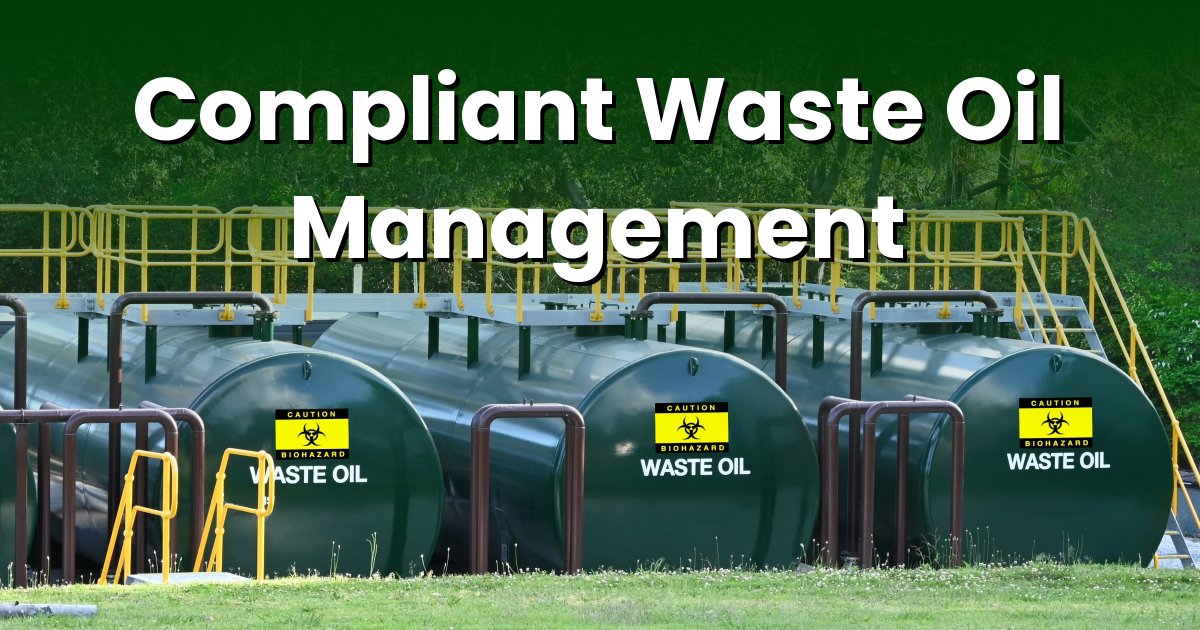
Oils, including cutting fluids and lubricants, must be stored in suitable containers such as tanks, drums or intermediate bulk containers (IBCs). These must be in good condition, clearly labelled and protected from damage or tampering.
Secondary containment is essential. This typically takes the form of bunds or drip trays designed to capture leaks or spills, preventing oil from escaping into the ground or watercourses.
Storage areas should also be positioned carefully, away from vehicle routes or areas where accidental impact could occur. Businesses are expected to carry out regular inspections and maintain equipment to minimise risk.
In addition, hazardous and non-hazardous wastes must be kept separate to reduce contamination risks and ensure correct disposal routes.
Collection and Transportation Regulations
When it comes to bulk oil collection and cutting oil collection, only authorised and licensed waste carriers can remove waste from your site. This is a key legal requirement under UK waste regulations.
Each collection must be documented with the appropriate waste transfer or consignment notes, providing a clear audit trail from collection through to final disposal or recovery. This ensures full traceability and demonstrates compliance with your duty of care obligations.
Businesses transporting their own waste must also be registered as waste carriers, brokers or dealers where applicable.
To ensure full compliance and safe handling, businesses should be aware of the following key requirements:
- All waste carriers must hold a valid registration as a licensed waste carrier, issued by the Environment Agency
- Hazardous waste collections, including most cutting oil disposal, require a consignment note to accompany each load
- Non-hazardous waste oils must still be recorded using a waste transfer note, retained for a minimum of two years
- Waste must be accurately described using the correct European Waste Catalogue (EWC) codes
- Containers must be securely sealed and suitable for transport to prevent leaks or spills during transit
- Vehicles used for transport must be fit for purpose and comply with relevant environmental and safety standards
- Businesses must ensure waste is only handed to authorised carriers and transferred to permitted facilities
- If transporting their own waste, businesses must register as a waste carrier, broker or dealer where applicable
These steps are designed to maintain traceability and ensure that all bulk oil disposal and cutting oil disposal activities meet strict UK regulatory standards.
Disposal and Treatment of Waste Oils
The disposal process for waste oils is guided by the UK waste hierarchy, which prioritises reuse and recycling wherever possible.
In many cases, waste oil can be recovered and reprocessed into usable products or fuels. However, where recycling is not viable, it must be treated and disposed of at authorised facilities that are permitted to handle hazardous waste.
Materials contaminated with oil, such as absorbents, filters or rags, are also typically classified as hazardous and must be disposed of accordingly.
Key processes and considerations involved in bulk oil disposal and cutting oil disposal include:
- Recovery and re-refining of waste oils into base oils or secondary fuels where contamination levels allow
- Separation processes to remove water, metal particles and other impurities from cutting oils
- Treatment at licensed hazardous waste facilities where recycling is not possible
- Energy recovery through controlled incineration in approved facilities, in line with environmental permits
- Safe disposal of heavily contaminated oils that cannot be recovered, following strict hazardous waste procedures
- Handling and disposal of associated waste materials, such as oily rags, filters and absorbents, which are also typically classified as hazardous
- Full documentation and tracking of waste through to its final recovery or disposal point
These processes ensure that waste oils are managed responsibly, minimising environmental harm while complying fully with UK legislation.
Environmental Protection and Pollution Prevention
Even small quantities of oil can cause serious environmental damage if released into soil or water. This is why businesses are expected to have spill response plans in place and ensure staff are trained to deal with incidents quickly and effectively.
Proper segregation, secure storage and professional collection all play a role in reducing environmental risk and maintaining compliance.
Why Choose Professional Bulk Oil Disposal Services?
Managing oil waste in-house can be complex, particularly with changing regulations and environmental responsibilities. Partnering with Andersons Waste Management ensures your bulk oil collection and cutting oil disposal is handled efficiently and in full compliance with UK legislation.
We offer a dependable, fully compliant service tailored to your business. From secure collection to responsible disposal, we help you meet your legal obligations while protecting the environment and keeping your operations running smoothly.
Supporting Your Business with Safe, Compliant Solutions
Whether you require regular bulk oil collection or one-off cutting oil disposal, having the right processes in place is essential.
With expert support, businesses can reduce risk, improve sustainability and ensure full compliance with UK waste regulations, all while maintaining a clean and safe working environment.