

Keeping Commercial Kitchens Compliant and Running Smoothly with Grease Trap Cleaning and Servicing
If you run a restaurant, café, pub, takeaway, hotel or commercial catering kitchen in Bristol, regular grease trap services are essential to prevent fat, oil and grease (FOG) build-up, unpleasant odours, drain blockages and costly kitchen downtime.
Keeping your grease trap properly cleaned and maintained helps protect your drainage system, supports responsible waste management and allows your kitchen to operate without unnecessary disruption.
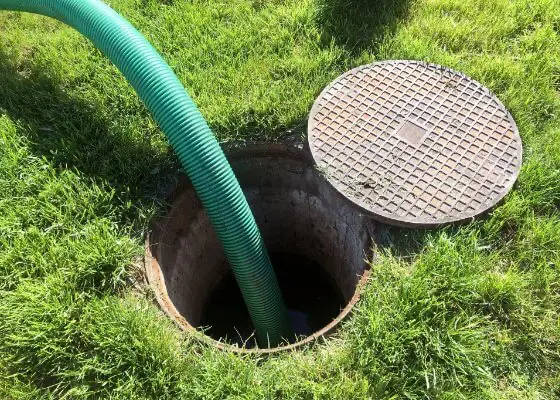
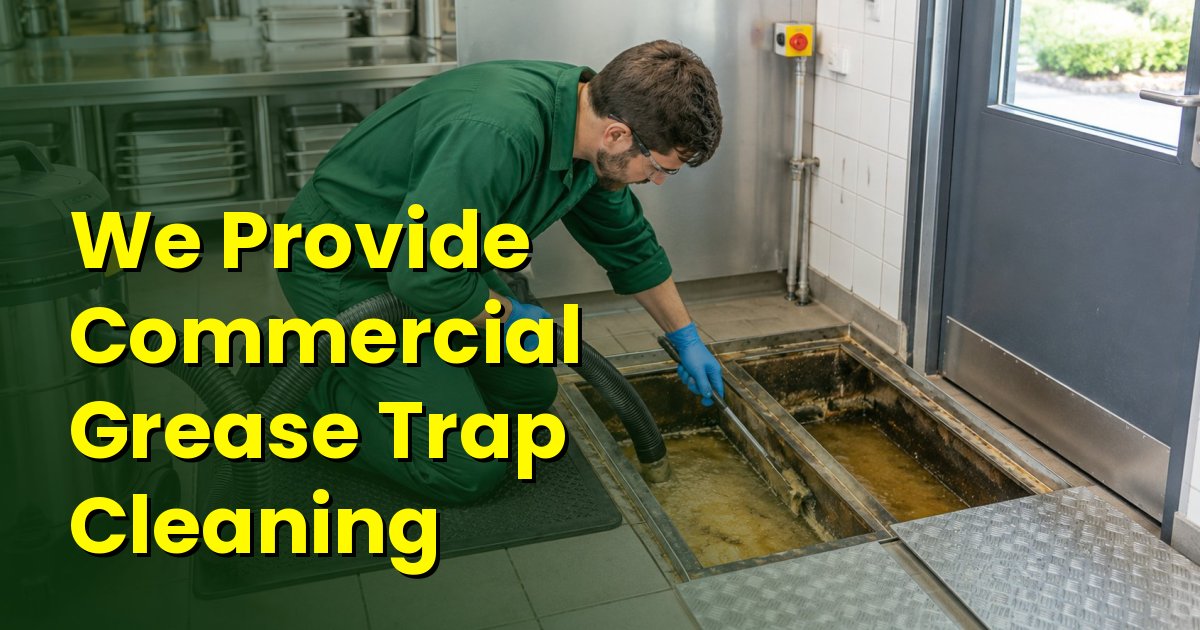
At Andersons Waste Management, we provide professional grease trap services in Bristol, helping businesses arrange regular grease trap emptying, kitchen grease removal and responsible waste disposal.
Whether you need a one-off clearance or a regular commercial grease trap maintenance contract, we can tailor our service around your kitchen's requirements and operating hours.
Need an Emergency Grease Trap Service? Contact Andersons to discuss your requirements and how we can help. Call us: 01454 222 888.
Why Is Regular Grease Trap Maintenance Important?
Fat, oil and grease are unavoidable by-products of commercial food preparation. From cooking oils and animal fats to butter, dairy products, sauces and food residues, these substances find their way into kitchen wastewater throughout the working day.
When FOG enters the drainage system, it can cool, solidify and gradually accumulate along the inside of pipes. Over time, this build-up restricts water flow and can eventually cause serious blockages.
A correctly installed and maintained grease trap helps prevent this by separating fats, oils and grease from wastewater before it enters the drainage system. Food particles and heavier solids are also collected, reducing the amount of waste passing into your drains.
However, installing a grease trap is only part of the solution. It needs to be emptied and cleaned regularly to prevent accumulated waste from reducing its effectiveness.
Without proper Grease Trap maintenance, businesses can experience:
- Blocked drains and pipework: Accumulated grease can restrict wastewater flow and eventually cause complete blockages.
- Unpleasant smells: Decomposing food waste and trapped grease can create persistent odours around kitchens and external drainage areas.
- Sewage back-ups and flooding: Serious blockages can cause wastewater to back up into commercial premises.
- Business disruption: Drainage problems can affect food preparation, hygiene and the ability to continue trading.
- Environmental problems: FOG entering public sewers can contribute to major blockages, sewer flooding and pollution.
Regular grease trap cleaning and emptying is therefore an important part of looking after your premises, protecting your drainage infrastructure and maintaining a hygienic working environment.
Which Businesses Need Commercial Grease Trap Services?
Any business preparing, cooking or serving food can produce fats, oils and grease that enter its wastewater. While the amount will vary depending on the type of food and cooking methods used, regular grease management is important for a wide range of commercial premises.
Andersons provides grease trap and kitchen food waste removal services for businesses including:
Restaurants and cafés
Busy restaurant kitchens produce considerable amounts of grease through frying, grilling, roasting, food preparation and washing up. Regular maintenance helps prevent FOG accumulation and keeps kitchen drainage working efficiently.
Pubs and bars
Pubs serving hot food, including traditional meals, snacks and fried food, can generate significant amounts of kitchen grease. Scheduled grease trap emptying helps prevent problems developing during busy trading periods.
Takeaways and fast-food establishments
Takeaways and fast-food kitchens often operate high-volume cooking equipment, including deep-fat fryers and grills. Their grease traps can fill quickly, making a regular maintenance programme particularly important.
Hotels and hospitality venues
Hotels frequently operate larger commercial kitchens, restaurant facilities, breakfast services and event catering operations. These different activities can place considerable demands on grease management systems.
Bakeries and food production businesses
Bakeries and commercial food manufacturers also produce wastewater containing fats, oils and food residues. Appropriate grease and food waste management helps protect their drainage systems and supports efficient production.
Contract caterers and institutional kitchens
School kitchens, care homes, hospitals, workplace canteens and other catering facilities all need to manage grease produced through daily food preparation and cleaning.
Whatever type of commercial kitchen you operate, understanding how quickly your grease trap fills and arranging suitable maintenance is essential.
What Does Professional Grease Trap Maintenance Service Include?
A professional grease trap maintenance service should do more than simply remove the visible grease from the surface. It should ensure accumulated waste is removed properly and that the equipment can continue operating effectively.
A typical maintenance programme will include the following:
1. Removal of fats, oils and grease: Accumulated FOG is removed from the grease trap to prevent excessive build-up and maintain its ability to separate grease from wastewater.
2. Removal of food solids and sludge: Food particles and heavier sediment settle within the trap. These need to be removed alongside the grease to prevent the unit becoming overloaded.
3. Internal cleaning: Once the waste has been removed, the internal surfaces should be cleaned to remove residual grease and food deposits.
4. Inspection of internal components: Baffles, seals and other internal components should be checked for damage, deterioration or obstructions that could affect the trap's performance.
5. Checking inlet and outlet connections: The inlet and outlet arrangements should be checked for visible obstructions or other issues that could affect wastewater flow.
6. Responsible waste transportation and disposal: All collected grease and food waste must be transported and disposed of responsibly through appropriate waste management facilities.
7. Waste documentation: Waste Transfer Notes should accompany relevant waste movements, providing a record of the waste collected and its transfer to an authorised destination.
8. Recommendations for future maintenance: The service provider should be able to advise on the next visit, taking account of the amount of grease collected, the size of the trap and the level of kitchen activity.
At Andersons, we arrange the safe uplift and disposal of commercial kitchen grease and food waste, with the relevant Waste Transfer Note provided. We can also assess waste samples before collection to help establish the most suitable service arrangements and costs.
How Frequently Should a Commercial Grease Trap Be Emptied?
One of the most common questions businesses ask is how often their grease trap needs emptying.
There isn't one schedule that suits every commercial kitchen. The correct frequency depends on several factors, including:
- The size and capacity of the grease trap.
- The number of meals prepared each day.
- The amount of frying and cooking carried out.
- The types of food being prepared.
- The volume of wastewater passing through the system.
- How quickly fats, oils, grease and food solids accumulate.
For example, a busy takeaway operating throughout the week may need considerably more frequent servicing than a small café with a limited food menu.
Monthly grease trap maintenance may be appropriate for some high-volume kitchens, while businesses with lower levels of grease production may be able to operate on a less frequent schedule.
The important thing is not to wait until the trap is full, smells unpleasant or causes a drainage problem.
Regular inspections and monitoring will help establish the most appropriate emptying frequency for your premises. Following the manufacturer's maintenance recommendations is also important.
Why Choose a Regular Grease Trap Maintenance Contract?
For many businesses, arranging individual grease trap collections whenever they are needed can be inconvenient. It also makes it easier for routine maintenance to be overlooked, particularly during busy periods.
A regular commercial grease trap maintenance contract provides a more organised approach.
At Andersons, we understand that every commercial kitchen has different requirements. We can discuss your operations, assess your waste and establish a collection schedule that works around your business.
A regular maintenance arrangement can provide several benefits:
- Planned collections: Arrange monthly, quarterly or other suitable visits based on your requirements.
- Predictable costs: Agree a service schedule and pricing arrangement to help with budgeting.
- Reduced disruption: Schedule collections at convenient times to minimise interference with food preparation and opening hours.
- Better waste management: Ensure accumulated grease and food waste are regularly removed and responsibly disposed of.
- Ongoing maintenance: Reduce the likelihood of grease traps becoming overloaded or neglected.
- Supporting records: Receive the relevant waste transfer documentation for collected waste.
When arranging a maintenance contract, it is worth discussing the initial inspection, collection frequency, cleaning requirements, waste documentation and arrangements for any additional collections that may be needed.
We can help establish a suitable programme rather than simply applying the same schedule to every customer.
Responsible Grease and Food Waste Disposal
Removing grease from your premises is only one part of effective waste management. What happens to that waste afterwards is equally important.
Businesses have a responsibility to ensure their commercial waste is handled and transferred appropriately. Allowing fats, oils and grease to enter drainage systems can cause problems well beyond the boundaries of your own premises.
The Environment Agency and GOV.UK guidance makes clear that businesses should prevent fats, oils, grease and solid waste from entering drains, and that suitable grease and sediment traps should be installed where contaminated kitchen wastewater could enter the drainage system.
At Andersons, we provide safe collection, transportation and disposal of commercial kitchen grease and food waste. Collected waste is taken to appropriate local waste management facilities, including authorised water authority facilities and anaerobic digestion facilities where suitable.
We provide the relevant Waste Transfer Notes, giving businesses a record of their waste collections and supporting responsible waste management practices.
There are also some simple measures kitchen staff can follow to reduce the amount of grease entering the drainage system:
- Wipe plates, pans and cooking utensils before washing them.
- Scrape food scraps into suitable waste containers.
- Collect used cooking oil in secure containers for appropriate collection.
- Use sink strainers to catch food particles.
- Never pour cooking oil, fats or grease directly down sinks or drains.
- Maintain grease traps and other grease management equipment regularly.
These everyday practices, combined with professional maintenance, can make a significant difference to the amount of FOG entering your drainage system.
Why Choose Andersons for Grease Trap Services in Bristol?
Andersons Waste Management has been providing professional liquid waste and drainage services since 1998. Based in Avonmouth, Bristol, we support commercial customers across Bristol and the wider Southwest with practical, cost-effective waste management solutions.
We understand that keeping a commercial kitchen operational is essential. That's why we work with businesses to arrange grease trap emptying and kitchen waste collections at times that suit their working schedules.
When you choose Andersons, you benefit from:
- Local Bristol expertise: Based in Avonmouth, we provide convenient commercial waste collection services throughout Bristol and the surrounding areas.
- Flexible servicing: Collections can be arranged around your business requirements and opening hours.
- Tailored maintenance: We can assess your waste and discuss a suitable ongoing collection schedule.
- Responsible disposal: Collected grease and food waste are transported for appropriate treatment and disposal.
- Waste documentation: Relevant Waste Transfer Notes are provided.
- Emergency support: We also offer a 24-hour emergency helpline for urgent service requirements.
We are also an ISO 14001 registered business, SafeContractor approved and an Achilles UVDB Silver Plus accredited supplier, demonstrating our commitment to environmental management and professional service standards.
Arrange Your Grease Trap Maintenance Contract in Bristol
Whether you operate a busy restaurant, independent café, hotel, takeaway or large commercial catering kitchen, keeping on top of grease trap maintenance is essential.
A regular collection programme can help prevent troublesome blockages, reduce unpleasant smells, protect your drainage system and avoid unnecessary disruption to your business.
At Andersons Waste Management, we make arranging commercial grease trap services in Bristol straightforward. We can discuss your requirements, assess the type and volume of waste produced and recommend a suitable maintenance schedule.
If you are looking for a reliable company to manage your regular grease trap emptying, cleaning and kitchen waste removal, we'd be happy to help.