

What Homeowners Need to Know About Droughts, Septic Tanks and Treatment Plants
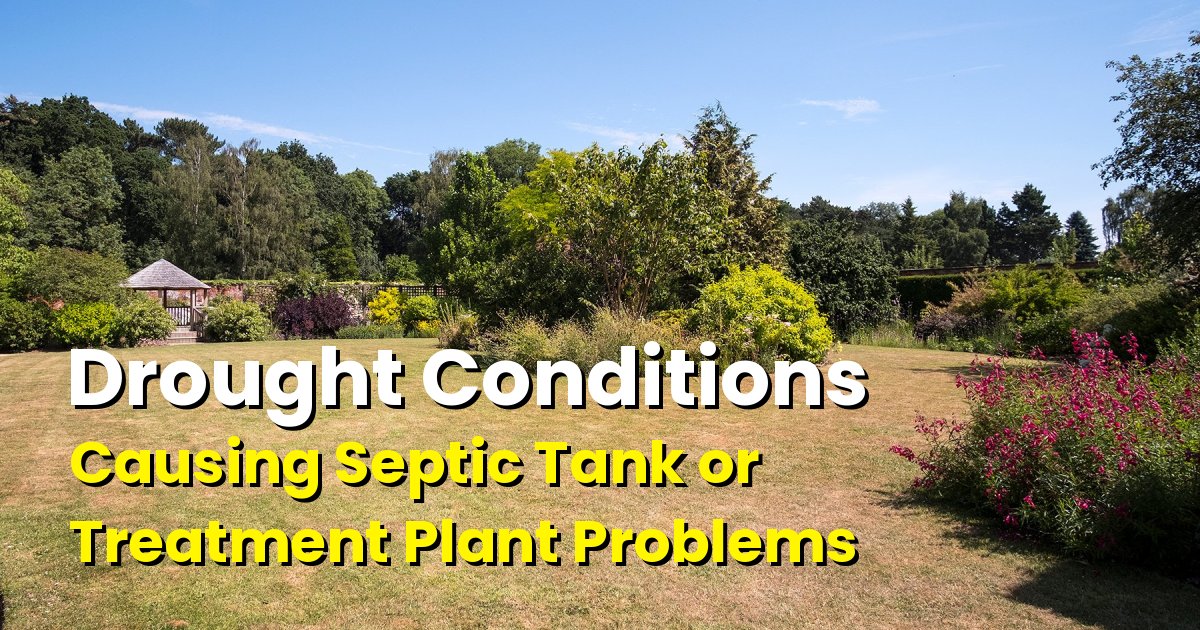
During periods of prolonged hot weather and drought, many homeowners with private drainage systems may wonder whether the dry conditions can affect their septic tank or treatment plant.
While these systems are designed to operate throughout changing weather conditions, extended periods of low rainfall and dry ground can create challenges that are important to be aware of.
At Andersons Waste Management, we regularly support customers with septic tank emptying, treatment plant maintenance and private drainage solutions across the South West and surrounding areas.
Understanding how drought conditions can affect your system, knowing what warning signs to look out for and carrying out simple preventative measures can help avoid problems developing.
Can drought affect a septic tank, cesspit or treatment plant?
The short answer is yes, but the effects are usually caused by changes in the surrounding ground conditions rather than the tank itself.
A septic tank relies on a drainage field or soakaway system to disperse treated wastewater safely into the ground. During prolonged dry weather, the soil around the drainage field can change, particularly in areas with clay-heavy ground.
As the soil dries out, it can shrink, move and become less stable, which may affect underground pipework and drainage performance.
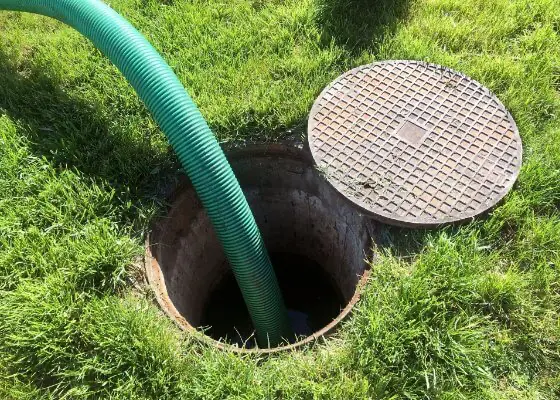
A cesspit, on the other hand, is a sealed underground storage tank designed to hold wastewater until it is emptied. Because it does not discharge into the ground, it is less affected by dry conditions.
However, changes in the surrounding soil can still place pressure on the tank and connecting pipes.
What problems can drought conditions cause?
Ground movement and pipe damage
One of the biggest concerns during prolonged dry weather is ground movement. As the soil loses moisture, particularly clay soils, it can shrink and contract. When this happens, underground pipes, joints and drainage connections can be placed under additional stress.
Over time, this movement may lead to:
- Cracked or damaged pipework
- Loose joints or connections
- Changes to pipe gradients affecting wastewater flow
- Damage around inspection chambers or access points
These issues may not always become obvious immediately and can sometimes appear when wetter weather returns and the ground begins to move again.
Reduced drainage field performance
Septic tank and treatment plant drainage fields depend on the surrounding soil to absorb and disperse treated wastewater. During dry conditions, this can change.
Although dry soil can often absorb water effectively, prolonged drought can affect the structure of the ground. When heavy rainfall eventually returns, very dry soil may struggle to absorb large volumes of water quickly, which can temporarily reduce drainage performance.
Signs of drainage field problems can include:
- Slow drainage from sinks, showers or toilets
- Unpleasant smells around the drainage area
- Water pooling above the drainage field
- Sewage backing up into the property
Increased risk from tree roots
During drought conditions, trees and shrubs naturally search for additional moisture. This can encourage root growth towards underground drainage pipes, septic tanks and soakaway systems.
Tree root intrusion can cause:
- Blockages within pipework
- Cracked pipes
- Reduced wastewater flow
- Damage to drainage systems over time
Properties with mature trees close to their drainage system should be particularly mindful during prolonged dry spells.
Tank movement caused by changing ground conditions
Both septic tanks and cesspits rely on stable ground conditions to remain secure. When the surrounding soil dries out and shrinks, there is a possibility of movement around the tank.
This can potentially cause:
- Pressure on the tank structure
- Movement of inlet and outlet pipes
- Damage to older systems
- Leaks or structural issues in extreme cases
What should you look out for during dry weather?
Many septic tank and cesspit problems develop gradually, so early identification is important.
Keep an eye out for:
Unusual smells
Strong sewage smells around your tank, drainage field or garden could indicate that wastewater is not flowing correctly or that the system needs attention.
Slow draining toilets, sinks or showers
If wastewater is taking longer than usual to disappear, this may indicate a blockage, drainage field issue or a tank that requires emptying.
Wet patches or unusually green areas
Although drought conditions generally create dry gardens, areas of unexpected lush growth, wet patches or pooling water near your drainage system could indicate a problem.
Changes around access points
Check for:
- Cracked inspection covers
- Sunken ground
- Raised areas of soil
- Movement around tank covers
These could indicate ground movement affecting your system.
More frequent tank emptying requirements
For properties with cesspits, increased water usage during hot weather, such as filling paddling pools, watering gardens or having visitors, can mean the tank reaches capacity quicker than expected.
How can you protect your septic tank or cesspit during drought conditions?
There are several simple steps homeowners can take to help protect their private drainage system during prolonged dry weather.
Continue with regular maintenance
Routine septic tank emptying and cesspit emptying should continue as normal. Delaying maintenance because of dry weather can increase the risk of problems developing.
A well-maintained system is much more likely to cope with changing conditions.
Avoid putting unnecessary strain on the system
During hot weather, be mindful of water usage. Try to avoid sending large volumes of water into your system over a short period, such as:
- Running multiple washing machine cycles together
- Emptying large amounts of bath or pool water into the system
- Excessive use of cleaning chemicals
Spreading water usage throughout the day helps your drainage system work more effectively.
Keep an eye on your drainage field
Avoid driving vehicles or storing heavy items over drainage fields, as dry ground can be more vulnerable to damage.
Where possible, avoid planting large trees or shrubs close to septic tanks, pipework or soakaways.
Arrange an inspection if you notice changes
If you notice unusual smells, slow drainage, pooling water or signs of ground movement, it is best to investigate early. Small issues can often be resolved before they become larger and more costly problems.
What happens when drought conditions end?
Many people assume that problems only occur during dry weather, but the return of rainfall can also highlight issues.
After a long dry period, heavy rainfall can expose existing weaknesses in a drainage system. Ground movement, damaged pipes or reduced drainage capacity may become more noticeable when the system is under increased pressure.
This is why autumn can often be a key time for homeowners to check their septic tanks and cesspits following periods of extreme weather.
Supporting customers with septic tank and cesspit issues
At Andersons Waste Management, we understand how important it is for homes and businesses with private drainage systems to keep everything working correctly all year round.
Our experienced team provides reliable septic tank emptying, cesspit emptying and liquid waste management services, helping customers maintain safe, effective and environmentally responsible wastewater systems.
If you have concerns about how drought conditions may be affecting your septic tank or cesspit, our friendly team is always happy to offer advice and support.
Regular maintenance, early action and keeping an eye out for warning signs are the best ways to help your private drainage system cope with changing weather conditions.